


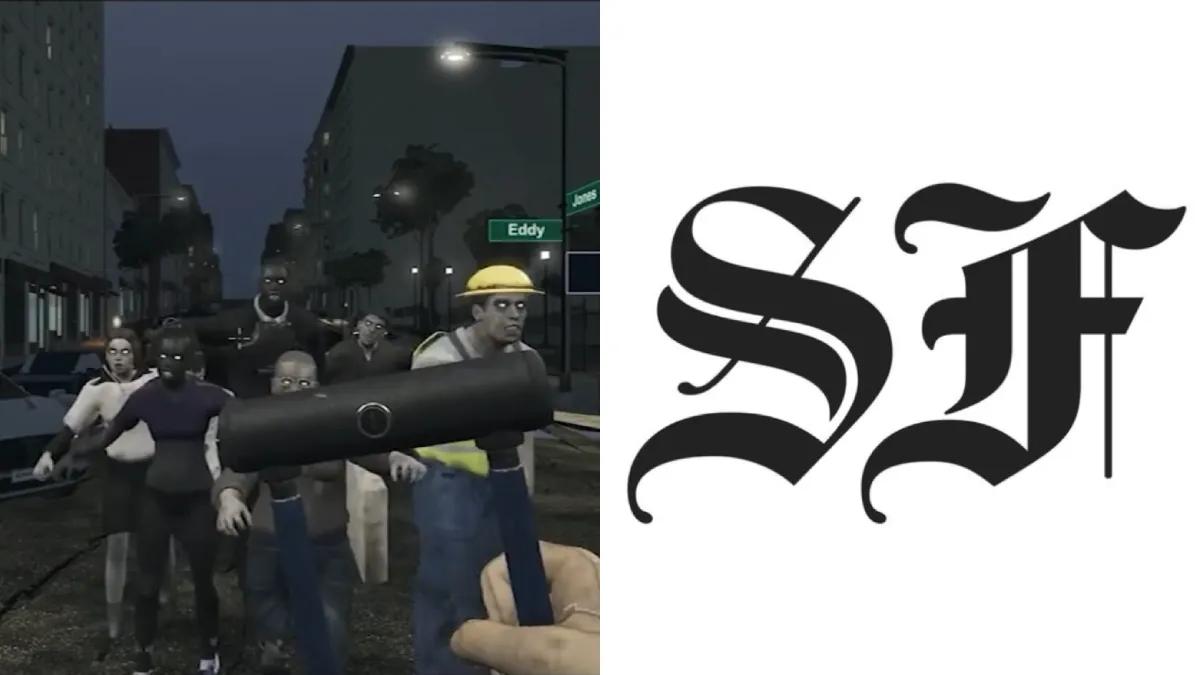
Vibe kodlu zombi oyunu, San Francisco yetkililerinin insanlık dışı olarak nitelendirmesinin ardından yayından kaldırıldı.


 Steam
 Scandals
Pierre-Louis Biojout has taken Tenderloin Night Shift offline and apologized for it, after San Francisco Mayor Daniel Lurie and Supervisor Bilal Mahmood condemned the game in public.
The shooter ran on a polygonal recreation of San Francisco’s Tenderloin, and Biojout built it over a single weekend using OpenAI’s Codex. Players walked the neighborhood with a gun, clearing it of zombies. The game is now gone from the site that hosted it, the advertisers who bought space inside it have their money back, and the revenue went to a San Francisco nonprofit that runs addiction and reentry programs.
The zombies were dressed as the people who live and work there. Some wore construction uniforms, some rode motorized scooters past the player, and some carried food delivery backpacks, infected mid-shift. Others were posed in the fentanyl fold, the forward bend at the waist that fentanyl users hold while standing upright. The Tenderloin is known outside the city for its crime rate and its unhoused population, and gets compared offhand to Skid Row. Both of those were in the level.
Biojout sold digital ad space inside the game at $100 a week, which is how real companies ended up on the billboards of his virtual Tenderloin. He promoted the arrangement in one line.
“San Francisco couldn’t fix the tenderloin, so I monetized it.”
— Pierre-Louis Biojout
Bilal Mahmood, the supervisor who represents the district, told SF Chronicles the game was deeply disturbing and unacceptable, and said the response he had seen from residents told him most of the city agreed.
“Turning violence against real people, including unhoused people, into entertainment is dehumanizing and should never be normalized.”
— Bilal Mahmood
Mayor Lurie’s answer to NBC Bay Area was shorter and less interested in the principle.
“There’s no accounting for taste or people’s terrible ideas. This is a bad one, and we reject it.”
— Daniel Lurie
Biojout spent the early part of the backlash boasting about it on his accounts. Then he pulled the game, deleted the posts, and wrote on X that the whole thing had been a misjudgment.
“I built and posted a zombie game set on San Francisco streets. The setting and the way I promoted it showed poor judgment.”
— Pierre-Louis Biojout
He refunded the advertisers and handed the game’s total revenue to the Delancey Street Foundation, which runs rehabilitation and vocational training in the city for people coming out of prison and people in recovery. His defense, given to the same paper, was that the characters came from a broad cross-section of San Francisco, tech workers included, and that the familiar city details were there to make it fun to play with friends. An Alcatraz map in Call of Duty gave him the idea, he said, and he passes the Tenderloin on his way to work.
The game lived on NanoCorp AI, Biojout’s platform for running online businesses with AI agents, and that page is down as well. Codex is not what made the game cruel, and I do not think the tooling is the interesting part of this. A weekend has no stage in it where somebody stops and asks who is standing in the frame, and speed is what deletes that stage.
Consent is the word carrying the other AI argument running this week. The Japan Actors Union, around 2,600 actors and voice actors, published guidelines that would ban generating a dead performer’s voice without permission given while they were alive, and put the case in terms of protecting the dignity of people who cannot answer for themselves. The residents rendered into that Tenderloin level had no estate, no union and nobody to negotiate on their behalf.
Grief, memory and other people’s lives are also what three small releases from this year are built on, and none of them arrived in forty-eight hours.


 Başarıyla kopyalandı... İçeriğimizi paylaştığınız için teşekkür ederiz!:


Yorum