




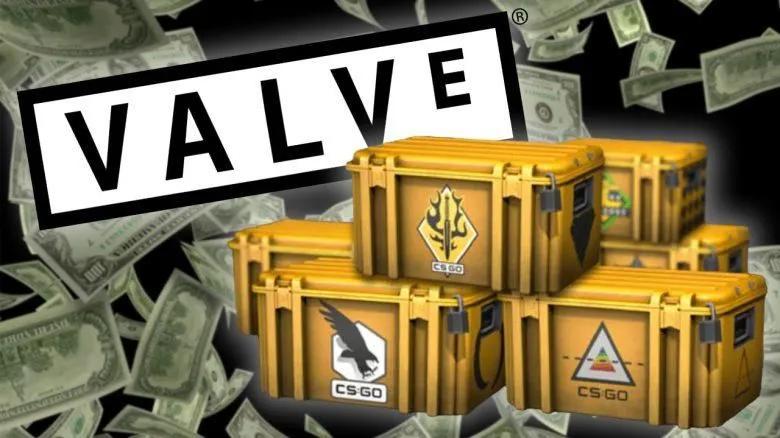
Gabe Newell ve Valve, oyun içi oyun içi hileli kutular (loot box) nedeniyle eleştirilerin hedefi oldu; şirket mahkemede kumar suçlamalarından kaçınmaya çalışıyor.










 Valve
Valve Steam
Steam Gabe Newell
Valve Corporation is once again at the center of a legal controversy in the United States, as the company faces growing pressure from regulators and plaintiffs over the use of loot box mechanics in its games. The case has escalated alongside increasing scrutiny of the skin economy and advertising practices related to gambling-like services, including recent actions such as Valve banning skin gambling and case-opening ads across competitive environments.
At the heart of the dispute are loot boxes and case-opening mechanics, most notably in games like Counter-Strike 2. Players purchase or acquire cases, which can then be opened to receive random cosmetic items, including highly valuable weapon skins. Critics argue that this system introduces gambling-like behavior, especially when rare items can be resold on third-party marketplaces for real money.
According to the lawsuit, these mechanics may generate revenue streams comparable to casino-style systems, particularly because of the psychological effects of randomness, rarity tiers, and the anticipation of rewards. The total value of the claims could potentially reach hundreds of millions of dollars if the court rules against Valve. The legal pressure on Valve has also intensified recently as the lawsuit expands and attracts more attention from regulators.
However, Valve and its co-founder Gabe Newell have strongly rejected these allegations. The company maintains that its systems do not constitute gambling under legal definitions, arguing that users always receive a digital item when they open a case, regardless of its value.
Valve also emphasizes that cosmetic items obtained through cases remain strictly within the company’s ecosystem and cannot be directly exchanged for real-world currency through official platforms. According to the company, any external gambling or betting websites that use skins operate independently and are not affiliated with Valve in any way.
This distinction forms the core of Valve’s defense strategy: the argument that it does not facilitate gambling because there is no guaranteed cash-out mechanism within its own infrastructure. Instead, the value of items exists only within player-driven markets outside of Valve’s control.

In recent statements, Valve has also suggested that it is actively working to demonstrate compliance with existing regulations and clarify misunderstandings about how its systems operate. The company believes that once the legal framework is properly analyzed, the case may be dismissed or significantly reduced.
The broader debate surrounding loot boxes is not new. Over the past several years, governments and regulators in multiple countries have examined whether randomized reward systems in video games should be classified as gambling. Some regions have introduced stricter disclosure requirements, while others have considered age restrictions or outright bans.
Supporters of Valve’s position argue that cosmetic loot boxes are fundamentally different from traditional gambling because they do not allow direct monetary withdrawal and are optional gameplay features. They also point out that players can acquire items through gameplay without spending money, depending on the specific game mechanics.

On the other side, critics argue that the psychological design of loot boxes still mimics gambling behavior, especially when rare items carry significant perceived value. They claim that the combination of randomness, monetization, and secondary markets creates a system that can encourage compulsive spending.
The outcome of this case could have wider implications for the entire gaming industry. Many modern live-service games rely on similar monetization systems, including cosmetic drops, seasonal passes, and randomized reward mechanics. A ruling against Valve could potentially force major changes across the industry.
Despite the legal pressure, Valve remains in a relatively strong position due to the global scale of its platforms, particularly the Steam marketplace and its dominance in PC gaming distribution. Analysts suggest that even if regulatory changes occur, the company has the resources to adapt its systems without fundamentally altering its business model.

At the moment, the case is still ongoing, but reports indicate that Valve is confident in its legal arguments and expects a favorable outcome or dismissal. The company continues to maintain that its systems are transparent, optional, and not equivalent to gambling under U.S. law.
For now, the situation remains one of the most closely watched legal disputes in the gaming industry, as the final decision could reshape how loot boxes and cosmetic economies are treated worldwide.


 Başarıyla kopyalandı... İçeriğimizi paylaştığınız için teşekkür ederiz!:



100 mücevhere kadar %5 para yatırma bonusu

Para yatırma ve çekme işlemlerinde %0 ücret.





11 Para Yatırma Bonusu + FreeSpin


EKSTRA %10 PARA YATIRMA BONUSU + ÜCRETSIZ 2 ÇARK DÖNDÜRME

Ücretsiz Kasa ve %100 Hoş Geldin Bonusu


5 Ücretsiz Kılıf, Günlük Ücretsiz ve Bonus

3 ücretsiz kasa ve tüm nakit para yatırma işlemlerine %5 bonus eklenir.

Depozitoya +%5




Yorum