




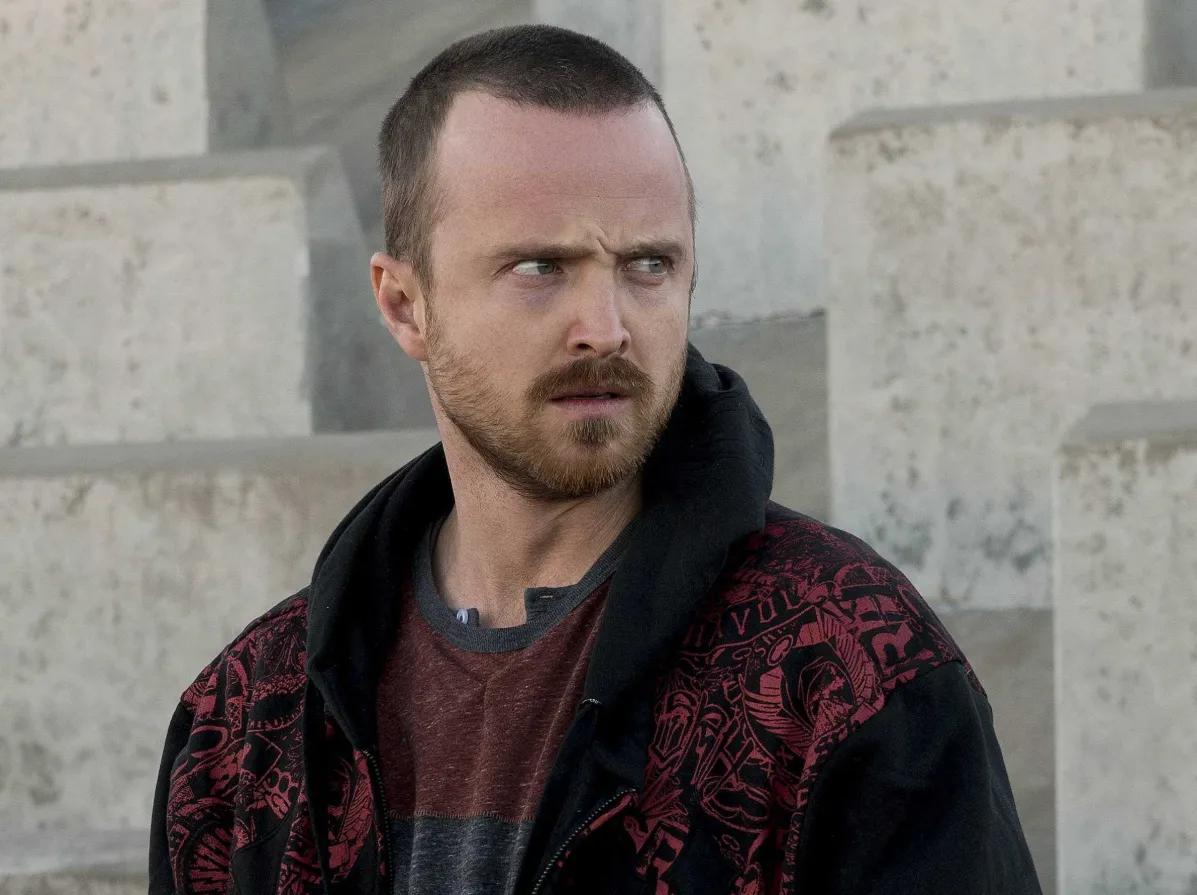
Aaron Paul'un Dispatch'teki çalışmaları iki yıla yayıldı, yaratıcılarını şaşırttı ve stüdyonun geleceğini yeniden şekillendirdi.










 Oyunlar
Aaron Paul became central to Dispatch in ways its creators did not fully anticipate when production began. His role as Robert, the player character, required sustained involvement across the entire episodic structure of the game. That commitment unfolded unevenly, stretched across nearly two years, and tested both sides of the collaboration. According to the studio, the scale of the work only became clear after recording had already begun.
Pierre Shorette, narrative director at AdHoc, described the process as exhausting for the actor. Sessions were irregular, spaced weeks apart, and repeatedly reopened after long silences. The structure of episodic development meant Paul was never finished for long.
“It was gruelling,” Shorette said.
“We were worried he would never work with us again because it took so long. It’s like water torture, a drip here and there. We’ll call him after eight weeks of not speaking, like, ‘Hey, we need you for four hours.’ It’s like, ‘Fuck, I thought I was done with this.’ We just had to keep bringing him back across two years because he’s in basically the entire fucking game.” — Pierre Shorette
Nick Herman, game director and co-founder of AdHoc, was more blunt about the likelihood of Paul agreeing had the scope been clearer at the outset.
“I think if he knew what this was going to be, he wouldn’t have done it.” — Nick Herman
“He would have said no for sure,” Shorette added.
Dispatch was not initially conceived with Aaron Paul attached. Early discussions within the studio considered Rahul Kohli for the role of Robert. The shift came through a casting director with an existing relationship with Paul, and through the script itself. Shorette said Paul responded to the tone and to the writing, which blended workplace comedy with darker undercurrents. His prior work on BoJack Horseman helped bridge expectations, giving him a reference point for the project’s mix of humor and unease.
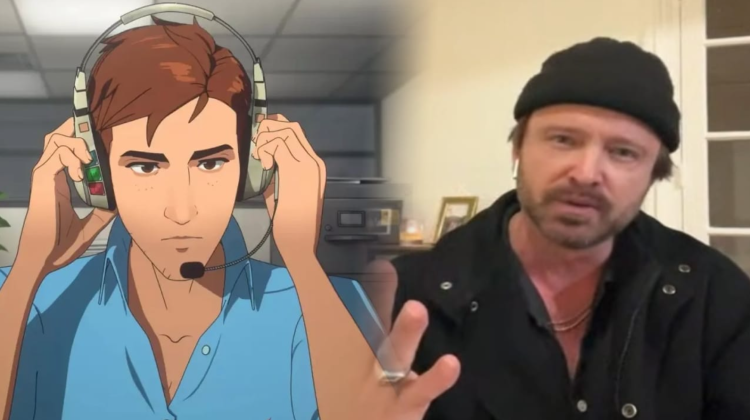
Paul’s performance exists solely as voice work. Dispatch does not use his likeness, motion capture, or physical performance. Even so, his presence became inseparable from the character. Herman said the realization that the game had reached an audience beyond niche circles came late, and in an unexpected place.
Around the time Dispatch finished releasing its episodes in October and November, Shorette spoke with Paul directly. During that conversation, Paul mentioned being recognized in France by players who had followed the game as it released. According to Shorette, Paul has since moved to France and was approached multiple times in Paris by fans who referenced Dispatch rather than Breaking Bad.
“That happens all the time but it’s usually someone calling him ‘bitch’ across the street referencing Breaking Bad, obviously,” Shorette said.
“People were hitting him up while the game was still coming out episodically like, ‘Hey, love you in Dispatch,’ and he was shocked that it reached France and that it kind of popped off.” — Pierre Shorette
Herman said the distinction mattered. For an actor whose public identity has been fixed to one role for over a decade, being recognized for voice work in a video game was unusual.
“People only walk up to him for Breaking Bad,” Herman said.
“For someone to come up and say, ‘Hey, this video game that is coming out right now: I love you in it’ — it just doesn’t happen for him.” — Nick Herman
That reaction changed Paul’s perception of the project. Herman said the moment confirmed that Dispatch had broken through in a way neither side had predicted. It also altered the likelihood of Paul returning if AdHoc continues the series.
“I think probably, if we’re being real, it kind of needed to do what it did for him to be interested in doing it again,” Herman said, laughing.
Dispatch’s success reshaped AdHoc’s position in the industry. The studio had struggled for years to secure stable backing and nearly collapsed during the broader downturn tied to publisher retrenchment and Embracer’s contraction. A previous publisher withdrew mid-development, leaving the team reliant on contract work, including time spent on The Wolf Among Us 2, to survive.

Critical Role eventually became attached as the publisher in name, providing visibility rather than traditional funding. That relationship helped Dispatch reach the market and positioned AdHoc to retain ownership. The gamble paid off. Dispatch quickly reached two million sales and established itself as one of 2025’s most discussed narrative games.
The game’s form also shifted radically during development. It began as a live-action interactive series, closer to Bandersnatch than a conventional game. COVID ended that version, forcing a redesign that replaced filmed scenes with systems-driven gameplay. The dispatch map, which now defines the experience, emerged from those constraints. It reduced reliance on cinematics and made episodic production viable.
The tone evolved as well. Early drafts leaned darker, with major character deaths planned, including Robert’s friend Chase. Those elements were later removed. Shorette said the team grew tired of narrative cruelty and wanted something more hopeful. That decision proved central to how players connected with the cast.

Player behavior still surprised the developers. Internal testing suggested players would split evenly between major relationship choices. Instead, roughly three-quarters sided with Invisigal over Blonde Blazer. Herman attributed the imbalance partly to presentation, acknowledging that visual framing and scene construction nudged players more than expected.
Despite Dispatch’s reception, awards recognition lagged. The episodic release schedule split eligibility at The Game Awards, limiting its presence. It received a single nomination for Best Debut Indie Game, which it did not win. Shorette said the timing hurt, though he noted the game may qualify again the following year.
What surprised the team most was the seriousness of the audience response. AdHoc initially viewed Dispatch as a collection of jokes layered over mechanics. Fan art, fiction, and emotional investment revealed something deeper. Herman said that the shift now places responsibility on the studio as it considers future work.
Plans for a second season remain undecided, though discussions are imminent. The team is also balancing work on a Critical Role game set in Exandria, which has progressed more slowly than expected. Success has removed the threat of closure but replaced it with expectation.
For Aaron Paul, Dispatch marked a rare deviation from the roles the public associates with him. The scale of the work nearly discouraged him, but the outcome appears to have reframed its value. Whether he returns will depend on what AdHoc builds next, and whether it can match what Dispatch unexpectedly became.
Read also: Dispatch Developers Say Cut Content Was Planned, Not Removed — Developers clarified that rumored missing scenes tied to romance options were never produced, never animated, and never cut, despite lingering assumptions fueled by unused code variables.


 Başarıyla kopyalandı... İçeriğimizi paylaştığınız için teşekkür ederiz!:



100 mücevhere kadar %5 para yatırma bonusu

Para yatırma ve çekme işlemlerinde %0 ücret.





11 Para Yatırma Bonusu + FreeSpin


EKSTRA %10 PARA YATIRMA BONUSU + ÜCRETSIZ 2 ÇARK DÖNDÜRME

Ücretsiz Kasa ve %100 Hoş Geldin Bonusu


5 Ücretsiz Kılıf, Günlük Ücretsiz ve Bonus

3 ücretsiz kasa ve tüm nakit para yatırma işlemlerine %5 bonus eklenir.

Depozitoya +%5




Yorum