




2025, Ninja Oyunları İçin Belirleyici Bir Yıldı










 Oyunlar
 PlayStation
 Xbox
Xbox Ubisoft
 Steam
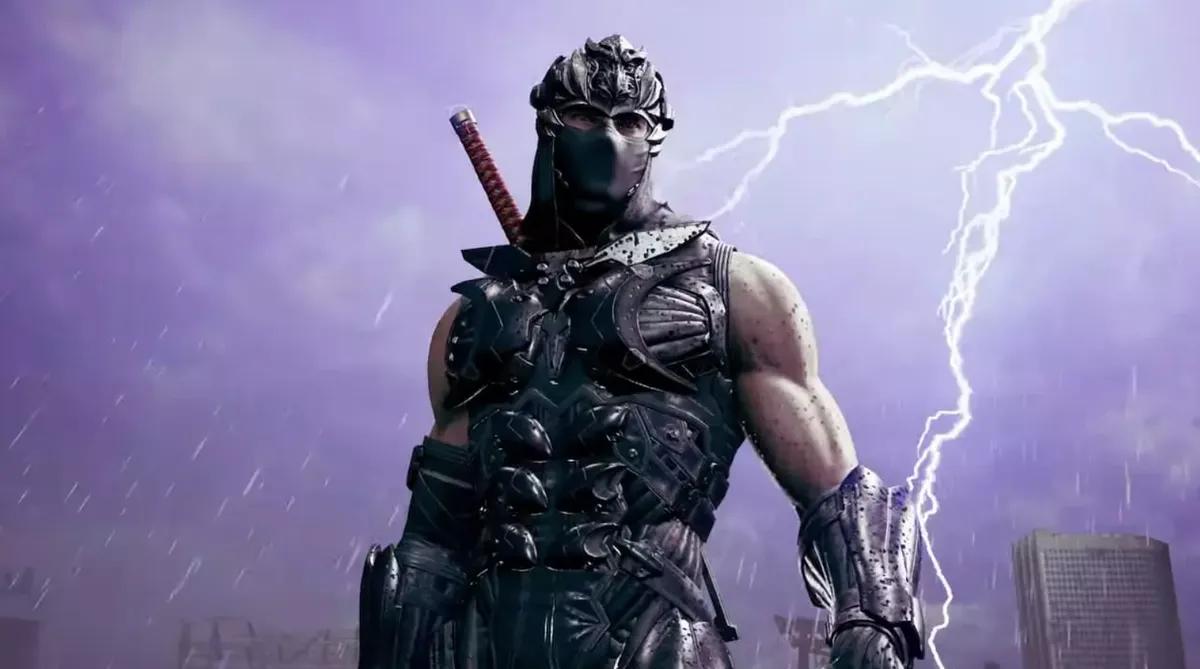
SteamNinja games reached a rare concentration point in 2025, with seven notable releases spanning legacy revivals, new interpretations, and technical reinventions. The year delivered ninja-focused titles across nearly every major platform, combining high-budget productions with tightly scoped action games and historical collections. For a genre that has cycled through long dormant stretches since the late 1980s and early 2000s, the volume and quality of releases marked a shift. Many of these games did not simply revisit familiar mechanics. They refined stealth systems, rebuilt combat pacing, and reexamined what modern ninja action can support.
Thanks to Polygon, coverage throughout the year tracked how these releases arrived from different corners of the industry yet converged around a shared design confidence. The result was not a single dominant hit, but a sustained presence that kept ninja action in view across the entire calendar.
Assassin's Creed Shadows
Assassin’s Creed Shadows finally brought Ubisoft’s long-running franchise to feudal Japan. The game split its focus between two protagonists, but its stealth systems centered on the kunoichi Naoe. Her design leaned into avoidance, positioning, and environmental use rather than direct confrontation. Castles became layered spaces that rewarded route planning, vertical traversal, and timing.
“With Naoe, the point is to avoid directly clashing with enemies, and that works in the game’s favor,” Colp wrote.
“Ubisoft has wall-climbing and traversal mastered at this point, so castles turn into 3D puzzles when you play stealthily.”— Tyler Colp
The stealth model emphasized recovery rather than punishment. Detection did not end encounters but shifted them, forcing players to use terrain, darkness, and escape routes. While the game arrived amid debate around its scope and structure, its ninja-focused mechanics stood out within Ubisoft’s catalog.
Blade Chimera
Blade Chimera approached ninja action from a different angle. Built as a Metroidvania by Team Ladybug and WSS Playground, it blended firearms, melee combat, and supernatural tools. At the center was Lux, a shape-shifting demon sword with multiple functional forms. Lux could shield, rebuild missing platforms, act as a grappling line, or convert into propulsion.
The game’s pacing relied on experimentation rather than repetition. Combat encounters encouraged switching tools mid-fight, while traversal puzzles used Lux as both weapon and infrastructure. The design placed the spotlight less on the player character and more on the weapon itself, reframing how agency worked within the genre.
Ninja Gaiden 2 Black
Ninja Gaiden 2 Black launched without warning and immediately reset expectations for the series. Built on Unreal Engine 5, it presented the cleanest and most balanced version of Ninja Gaiden 2 available in 2025. The release followed the structure and intensity of the original Xbox 360 version while updating visuals and performance.
The remaster omitted certain set pieces and retained some legacy design issues, but it clarified Team Ninja’s direction. The update showed renewed investment in the franchise and signaled that older action systems could still compete when rebuilt with restraint.
Ninja Gaiden 4
Ninja Gaiden 4 attempted to break from its own lineage. Developed by Team Ninja with PlatinumGames, it introduced Yakumo, a new protagonist tied to a rival ninja clan. The game emphasized technical mastery and layered combat systems, but its broader structure felt sparse.
“With its new characters, harsh challenges, and a deep well of techniques to perfect, Ninja Gaiden 4 is a fascinating side-step that helps modernize the 3D ninja action formula,” Polygon’s review noted.— Polygon Review
While the mechanics rewarded precision, the overall experience divided players. Its ambition was clear, but the execution left uneven gaps between combat encounters.
Ninja Gaiden Ragebound
Ninja Gaiden Ragebound delivered one of the year’s most focused experiences. Developed by The Game Kitchen, it returned the series to 2D side-scrolling action. The game introduced dual protagonists whose abilities merged over time, creating a single evolving combat kit.
The presentation balanced pixel art with modern animation standards. Music drew from earlier Ninja Gaiden eras without imitation. Tight controls and fast resets kept momentum high, making the game approachable without diluting its challenge.
Shinobi: Art of Vengeance
Shinobi: Art of Vengeance revived Sega’s long-running franchise with a clear design identity. Drawing from Genesis-era Shinobi titles and Metroid-style progression, the game emphasized deliberate combat puzzles and exploration.
Its level design required players to read enemy patterns and unlock traversal abilities in sequence. The art direction avoided nostalgia traps, opting instead for clarity and motion. The game’s placement in Polygon’s top 50 of 2025 underscored its execution.
The Last Ninja Collection
The Last Ninja Collection arrived late in the year, assembling landmark Commodore 64 and Amiga-era titles. The collection included The Last Ninja trilogy alongside related fighting games. While modernized releases dominated headlines, this compilation preserved the genre’s Western roots.


 Başarıyla kopyalandı... İçeriğimizi paylaştığınız için teşekkür ederiz!:



100 mücevhere kadar %5 para yatırma bonusu

Para yatırma ve çekme işlemlerinde %0 ücret.





11 Para Yatırma Bonusu + FreeSpin


EKSTRA %10 PARA YATIRMA BONUSU + ÜCRETSIZ 2 ÇARK DÖNDÜRME

Ücretsiz Kasa ve %100 Hoş Geldin Bonusu


5 Ücretsiz Kılıf, Günlük Ücretsiz ve Bonus

3 ücretsiz kasa ve tüm nakit para yatırma işlemlerine %5 bonus eklenir.

Depozitoya +%5




Yorum