




Disney'in yapay zeka deneyleri film ve oyun dünyasında tepkilere yol açarken, Star Wars: Field Guide ve Fortnite'ın başarısızlıkları daha geniş bir endüstri tartışmasını alevlendirdi.










 Scandals
 Çeşitli
 Fortnite
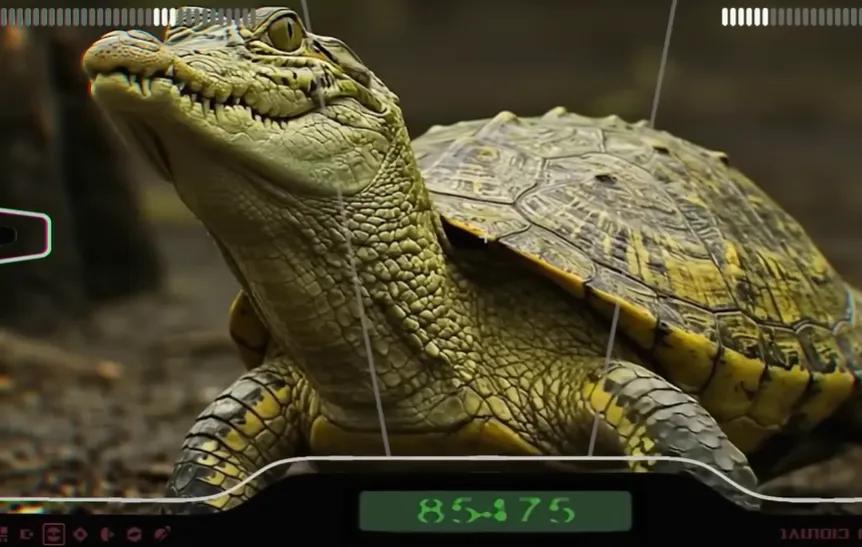
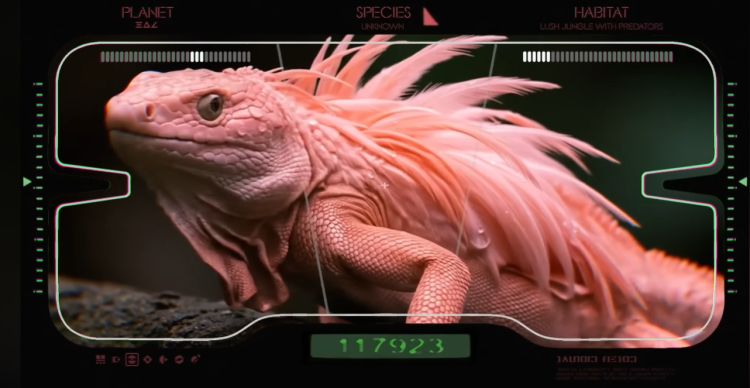
Disney’s public embrace of artificial intelligence in 2025 has produced a string of high-profile misfires that have drawn criticism across film, television, and games. The year’s most visible example arrived in April, when Lucasfilm unveiled Star Wars: Field Guide, a short AI-generated video presented during a TED talk as a preview of “a new era of technology.” Instead of signaling progress, the reel became a symbol of creative confusion, showing synthetic creatures assembled from mismatched animal parts. The response was swift and largely dismissive.
The presentation came from Rob Bredow, Lucasfilm’s senior vice president of creative innovation, who framed the demo as a continuation of the studio’s long history of technical breakthroughs. Industrial Light & Magic, after all, helped define modern visual effects. The two-minute video, however, failed to convince viewers that generative AI could serve the same role. Blue lions, walruses with tentacles, and turtles fused with alligator heads appeared less imaginative than algorithmic. Many viewers read the work as lazy rather than experimental, especially given the franchise’s reliance on detailed worldbuilding.
What initially looked like an isolated misjudgment quickly became part of a broader pattern. Two weeks later, Disney’s use of AI bled into Fortnite, where an AI-powered Darth Vader non-player character was added to the game. Players rapidly manipulated the system into producing slurs, forcing Epic Games to intervene. The incident undercut claims that generative systems could be safely deployed in live, unpredictable environments tied to major brands.
Despite these setbacks, Disney has continued to push forward. In November, CEO Bob Iger described AI as an “engagement engine” meant to deepen connections between Disney+ subscribers and the company’s theme parks, hotels, and cruises. He highlighted the value of Disney’s internal data and its ability to “mine” audience behavior. The comments reinforced the sense that AI was being positioned less as a creative aid and more as an optimization tool across the company’s ecosystem.
The most consequential move came at the end of the year, when Disney announced a $1 billion investment in OpenAI. The agreement licenses more than 200 Disney characters for use in OpenAI products. This decision drew renewed scrutiny, given the company’s history of aggressively protecting its intellectual property. Critics pointed out the contrast between Disney’s past lobbying to extend copyright protections for characters like Mickey Mouse and its present willingness to allow those same characters into generative systems known for unpredictable outputs.
These developments unfolded alongside growing criticism of AI use across the wider games industry. Activision faced questions from a U.S. congressman over AI-generated art tied to one of the weakest recent Call of Duty launches. Elsewhere, several high-profile AI-driven marketing efforts collapsed under public backlash, including a short-lived holiday advertisement from McDonald’s that was pulled within days.
Against this backdrop, Epic Games founder Tim Sweeney entered the debate with a notably different tone. Responding to criticism of Arc Raiders’ use of AI-generated voices, Sweeney argued that the technology should not be framed as a threat to performers. Instead, he suggested it could expand what games are capable of delivering.
“Games will have infinite, context-sensitive, personality-reflecting dialog based on and tuned by human voice actors.”— Tim Sweeney
Sweeney’s comments point to a fault line in the discussion. On one side are examples like Disney’s, where AI appears bolted onto existing brands without a clear creative purpose. On the other are developers who argue that AI can enable systems that would be impossible to build by hand, provided humans remain directly involved in shaping the output.
For Disney, the challenge is compounded by its scale. The company’s recent reliance on remakes, sequels, and franchise extensions has already drawn criticism for a lack of originality. AI experiments that feel superficial risk-reinforce the idea that the company is substituting automation for creative risk. The backlash to Star Wars: Field Guide was not just about image quality; it reflected discomfort with seeing one of cinema’s most carefully curated universes reduced to algorithmic collage.
The irony is difficult to miss. Disney’s brands were built through painstaking craft, from hand-drawn animation to practical effects and bespoke digital work. Generative AI, by contrast, thrives on recombination. Without strong artistic direction, its outputs can feel generic, even when applied to famous properties.
2025 offered no shortage of cautionary examples. Whether 2026 brings more thoughtful applications of AI will depend less on the tools themselves than on how companies choose to use them. For now, Disney’s experience stands as a case study in what happens when technological enthusiasm outruns creative judgment.
Read also, Disney and Kojima Productions have confirmed a new anime series set in the Death Stranding universe. Titled Death Stranding Isolations, the project will stream on Disney+ in 2027 and extends the world introduced in Hideo Kojima’s 2019 game, continuing its focus on isolation, connection, and individual struggle.


 Başarıyla kopyalandı... İçeriğimizi paylaştığınız için teşekkür ederiz!:



100 mücevhere kadar %5 para yatırma bonusu

Para yatırma ve çekme işlemlerinde %0 ücret.





11 Para Yatırma Bonusu + FreeSpin


EKSTRA %10 PARA YATIRMA BONUSU + ÜCRETSIZ 2 ÇARK DÖNDÜRME

Ücretsiz Kasa ve %100 Hoş Geldin Bonusu


5 Ücretsiz Kılıf, Günlük Ücretsiz ve Bonus

3 ücretsiz kasa ve tüm nakit para yatırma işlemlerine %5 bonus eklenir.

Depozitoya +%5




Yorum