



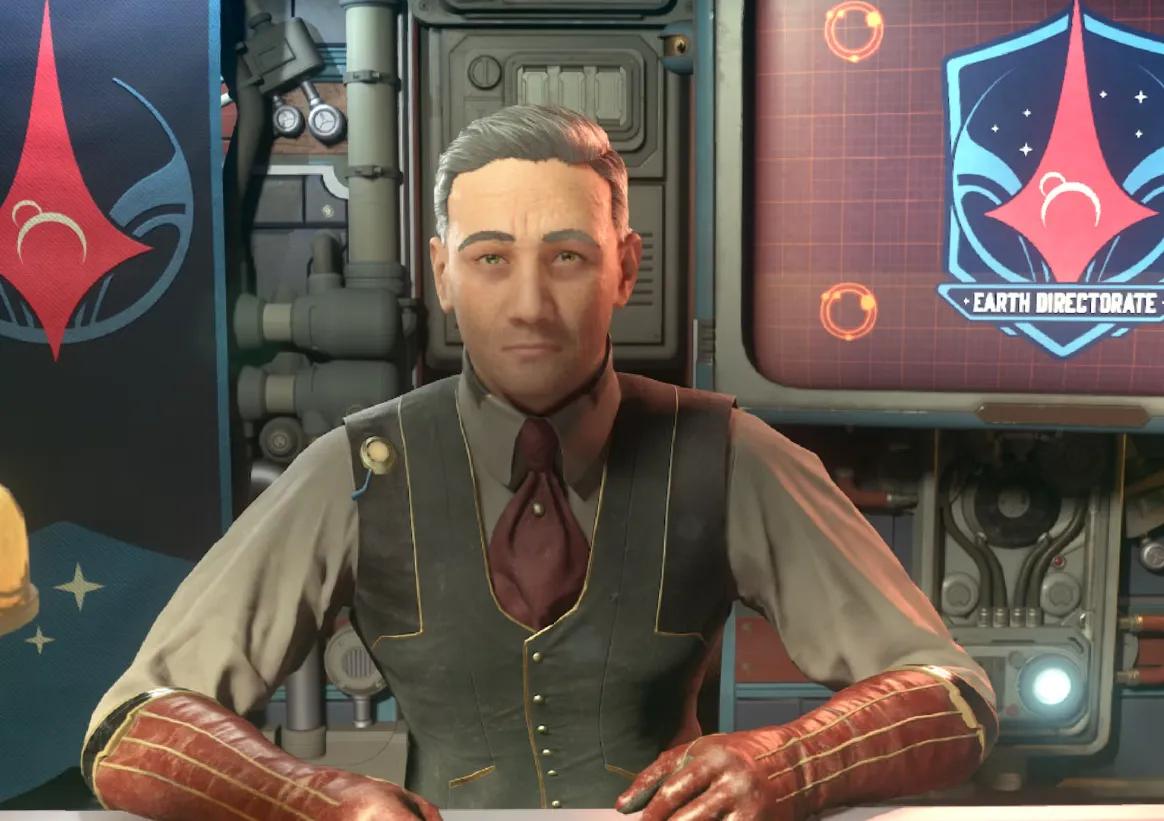
The Outer Worlds oyununun geliştiricisi Tim Cain, yarı emeklilikten ayrılıp ofise dönmesi hakkında konuştu.










 Oyunlar
Fallout co-creator Tim Cain has concluded his period of semi-retirement, returning to work full-time for Obsidian in California. The move marks a significant shift for the veteran developer, who spent the years between June 2020 and December 2025 working as a freelance remote contractor.
Tim’s return to a physical office environment prompted a detailed breakdown of his experiences in a recent YouTube video, where he contrasted the realities of remote work with the benefits of in-person collaboration. His journey back to a full-time, in-house role provides a grounded perspective on the ongoing conversation about workplace dynamics in the game development industry. During his five-year stint in semi-retirement, Cain consulted on various games for several companies, including Obsidian. A move to Seattle had initially prevented him from continuing as a full-time, in-state employee for the California-based studio, which led to the contractor arrangement. He described the experience of working with different teams on different projects as enjoyable and engaging.
He found the work to be "so much fun," but the nature of freelance work carried an inherent pressure.
"When you're a contractor you're constantly looking for the next thing."
— Tim Cain
This continuous need to secure future contracts was a driving factor in his decision to return to a more permanent, stable position within a single studio. His new role at Obsidian is a significant change from his freelance days. It is an exclusive, in-office position that he describes as being substantially more involved than his previous consulting work. "I'm not in charge of a project, I'm not a director," Cain explained.
"You can think of it as more of a consultant. It's like what I was doing in semi-retirement but exclusive, just for Obsidian, and a lot deeper."
His depth allows him to become more integrated with the development teams and their processes, moving beyond fixed-term projects to a more holistic involvement.
Cain is forthright about his preference for working in a physical office and questions the universally positive narrative sometimes attached to remote work.
"Remote work isn't all sunshine and lollipops, and it doesn't work for everybody. It just doesn't," Cain stated. "If you think it does and you argue it does, I either think you don't know all the data or you just want to stay remote for your own personal reasons, and you're trying to turn it into a professional reason."
For him, the most significant advantage of being in the office is the quality and spontaneity of communication. He has found himself engaged in numerous productive discussions that he feels certain would not have occurred in a remote setting.
"Just in the last seven weeks, I've had so many interesting conversations with artists, level designers, narrative designers, system mechanics guys, and even one person who primarily does audio stuff," he said.
He directly attributes the absence of such interactions during his remote period to the medium itself.
"These conversations would never have happened over a video call. How do I know? Because they never happened over video calls."
— Tim Cain
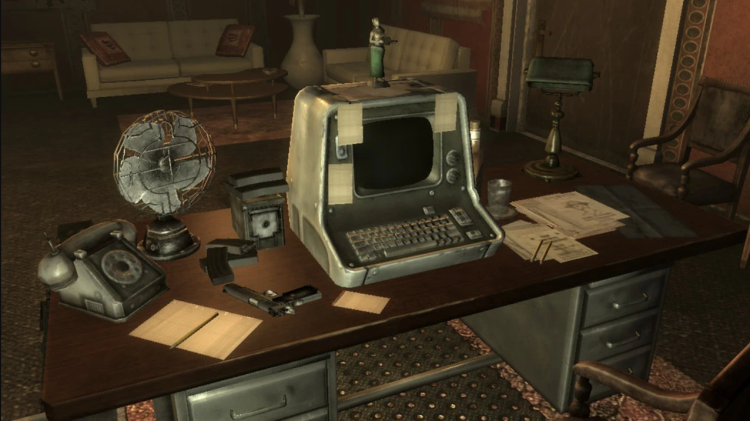
He does, however, add a layer of nuance to this observation, acknowledging that his status as an external contractor might have influenced how colleagues interacted with him. The awareness that his time was billed in hours could have made team members hesitant to approach him with smaller questions or for casual brainstorming. In his current full-time role, that barrier is gone. Developers can message him on Slack or simply walk over to his desk, fostering a more fluid and accessible exchange of ideas. Beyond the critical project-related discussions, Cain also finds value in the smaller, social aspects of office life, such as the weekly bagel day. It represents the informal moments that build team cohesion.
"Uncle Tim doesn't need to eat a bagel every morning, but dang, Uncle Tim likes a bagel once a week," he remarked.
These casual encounters, like queuing for food, can also turn into impromptu problem-solving sessions, underscoring his belief in the creative power of physical proximity.
Ultimately, Cain expresses a deep sense of satisfaction with his decision to return to Obsidian full-time. The new arrangement aligns with his professional desires at this point in his career.
"I love this. I love it," Cain said. "It's what fits me well for this stage of my career. And I'd like to think I'm helping out a lot of people in the stages of their careers. That's what unretirement is like for this guy."
For more from Tim Cain, check out his reflections on Troika Games, ambition, and flawed masterpieces. The designer revisited the turbulent development history of the studio, outlining how its ambition, limited resources, and internal habits shaped three RPGs that shipped in unstable condition but later earned lasting reputations.


 Başarıyla kopyalandı... İçeriğimizi paylaştığınız için teşekkür ederiz!:


100 mücevhere kadar %5 para yatırma bonusu

Para yatırma ve çekme işlemlerinde %0 ücret.




11 Para Yatırma Bonusu + FreeSpin


EKSTRA %10 PARA YATIRMA BONUSU + ÜCRETSIZ 2 ÇARK DÖNDÜRME

Ücretsiz Kasa ve %100 Hoş Geldin Bonusu


5 Ücretsiz Kılıf, Günlük Ücretsiz ve Bonus

3 ücretsiz kasa ve tüm nakit para yatırma işlemlerine %5 bonus eklenir.

Depozitoya +%5




Yorum