




Deep Rock Galactic: Rogue Core Steam'de Yayınlandı - Oyuncular İşbirliği Modu Değişikliklerini ve Performans Sorunlarını Eleştirirken Karışık Yorumlar Aldı










 duyuru
 Steam
Steam Rogue
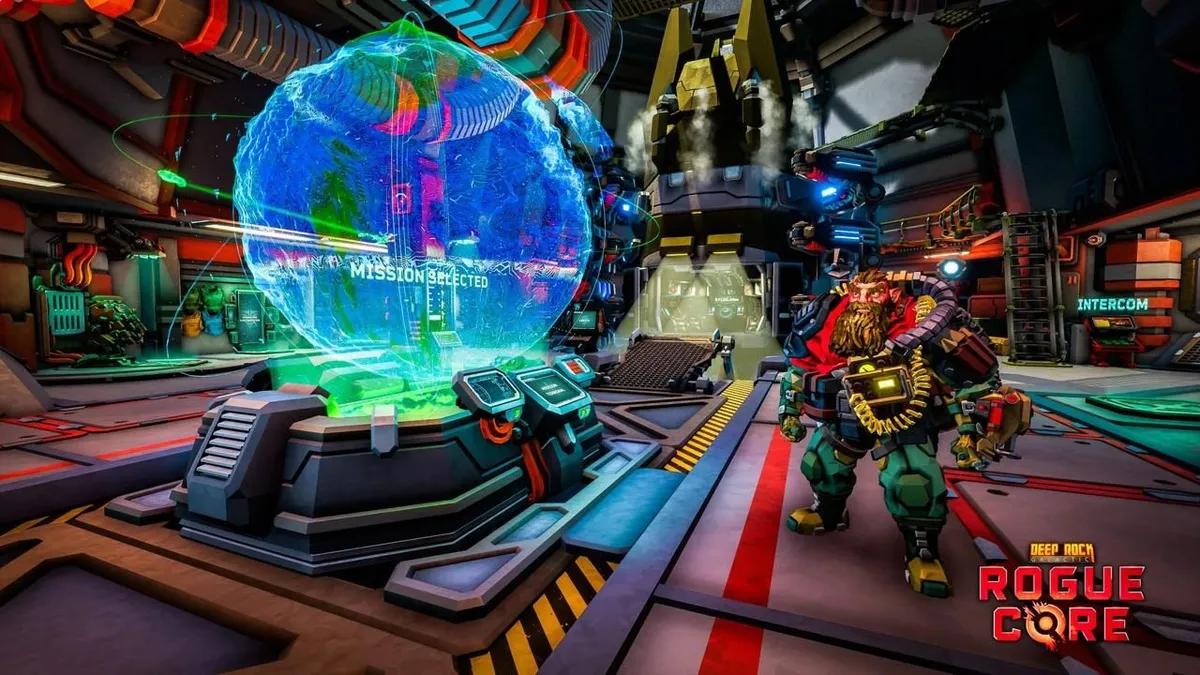
RogueDeep Rock Galactic: Rogue Core has officially launched on Steam, bringing a new roguelite direction to the popular co-op universe of Deep Rock Galactic. The release was highly anticipated by fans of the original game, but the early reception has been mixed, with players split between praising its ambition and criticizing its execution.
The new spin-off keeps the core idea of dwarf miners fighting through dangerous alien caves, but significantly changes the structure of gameplay. Instead of long missions with stable progression systems, Rogue Core is built around short, high-intensity roguelite runs. Each session takes place on procedurally generated levels, where layouts, enemy placements, and modifiers constantly change, making no two runs the same.
Players can team up in squads of up to four, working together to survive increasingly difficult conditions. However, unlike the original Deep Rock Galactic, where cooperation was the main focus, Rogue Core introduces systems that make each run more unpredictable and sometimes more competitive within the team.
One of the most noticeable changes is the game’s tone. Rogue Core adopts a much darker and more serious atmosphere compared to its predecessor. The environments are more claustrophobic, lighting is harsher, and the overall visual design emphasizes tension rather than humor. While the original game was known for its charm and comedic tone, this spin-off leans heavily into survival and intensity.
Enemy behavior has also been significantly upgraded. Creatures are faster, more aggressive, and more dangerous from the early stages of each run. Players must constantly adapt, reposition, and coordinate attacks under pressure. Combat is designed to feel faster and more chaotic, with less downtime between encounters.
To support the new gameplay structure, the game introduces several new classes. Among them are a melee-focused “slicer” class using a plasma blade for close-range combat, and a support-style “falconer”class that relies on drones for scouting and assistance. These additions are meant to expand team composition options and encourage more flexible strategies during runs.
The roguelite system also introduces randomized upgrades and progression choices between stages. Instead of a fixed build path, players must adapt their playstyle depending on available upgrades, creating a more dynamic but also less predictable experience.

Despite these new ideas, the launch reception has been heavily divided. Many players appreciate the attempt to evolve the formula, but a large portion of the community has raised concerns about core design decisions and technical issues.
One of the biggest criticisms is the co-op system. While the game is designed for teamwork, some mechanics create tension within squads. Loot distribution, progression choices, and run-based decisions can sometimes lead to indirect competition between teammates. Instead of reinforcing cooperation, certain systems make players feel like they are competing for resources or control over progression.
Performance problems are another major issue. Early users report optimization issues across different hardware setups, including frame drops, stuttering, and inconsistent performance during combat-heavy moments. Since the game relies heavily on fast reactions and precise movement, these issues significantly affect gameplay quality.
The game’s strict timer system has also been controversial. Runs are limited by time pressure, which forces players to move quickly and limits exploration. While this is intended to maintain pacing and intensity, many players feel it reduces strategic freedom and makes gameplay feel rushed.
Difficulty balancing is another concern. The game appears to be tuned primarily for coordinated full squads, making solo play or less organized teams significantly more difficult. This creates a steep learning curve that some players find frustrating, especially in early progression.
Economy and reward systems have also been criticized for feeling inconsistent. Some players feel progression is too slow, while others argue that rewards do not properly reflect the difficulty of certain encounters. This imbalance contributes to a sense of grind in longer sessions.

Beyond gameplay mechanics, long-time fans of the franchise have also pointed out that Rogue Core lacks some of the personality that defined the original game. The humor, lighthearted tone, and unique charm of Deep Rock Galactic are less prominent here, replaced by a more serious and stripped-down presentation. Some players even describe the experience as feeling closer to a mod or experimental version rather than a fully polished standalone release.
As a result, the current Steam reviews reflect a mixed reception. While some players enjoy the faster combat, roguelite structure, and new class systems, others feel that the game has lost some of the identity that made the original so successful.

Despite the criticism, there is still potential for improvement. Many of the issues raised by the community - especially optimization, balancing, and co-op mechanics - are areas that can be improved through updates and patches. If addressed properly, the game could evolve into a stronger experience over time.
For now, however, Deep Rock Galactic: Rogue Core stands as a bold but controversial spin-off that attempts to reinvent the formula of Deep Rock Galactic, but arrives with a clear divide between ambition and execution.


 Başarıyla kopyalandı... İçeriğimizi paylaştığınız için teşekkür ederiz!:



100 mücevhere kadar %5 para yatırma bonusu

Para yatırma ve çekme işlemlerinde %0 ücret.





11 Para Yatırma Bonusu + FreeSpin


EKSTRA %10 PARA YATIRMA BONUSU + ÜCRETSIZ 2 ÇARK DÖNDÜRME

Ücretsiz Kasa ve %100 Hoş Geldin Bonusu


5 Ücretsiz Kılıf, Günlük Ücretsiz ve Bonus

3 ücretsiz kasa ve tüm nakit para yatırma işlemlerine %5 bonus eklenir.

Depozitoya +%5




Yorum