




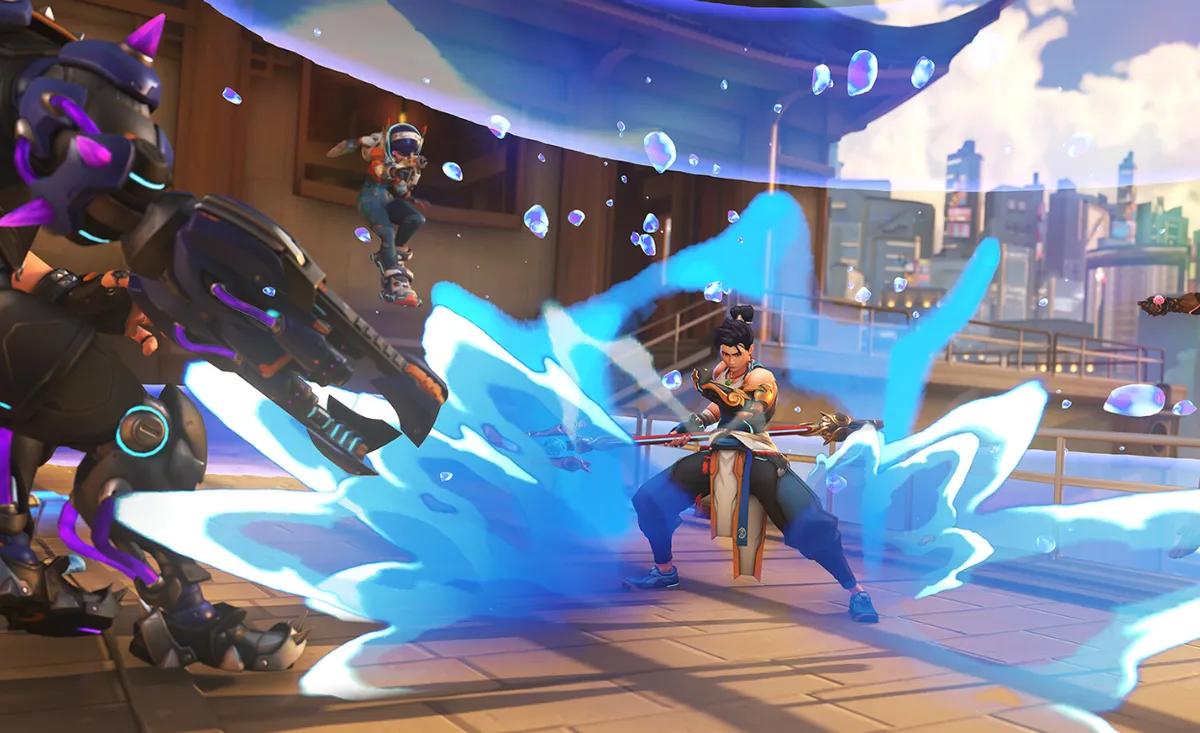
Overwatch 2, 2025'te Nihayet Bir Devam Oyunu Olarak Kendini Haklı Çıkardı










 Records
 Overwatch 2
Overwatch 2 in 2025 looks unlike the game Blizzard shipped in 2022. The sequel launched with a trimmed feature set, a new format, and promises that never fully materialized. PvE was cut back, story missions struggled to land, and balance changes blurred hero roles until most of the roster felt like variations on damage output. What changed this year was not just the amount of content but the way Blizzard approached design. The game shifted away from constant micro-adjustments and toward systems that ask players to solve problems themselves.
The turning point came with the introduction of perks, supported by broader structural changes, thanks to Polygon for the original analysis highlighting how these systems altered the game’s direction. Instead of endlessly revising ability values or reworking kits, Blizzard added minor and major modifiers that allow players to adapt on the fly. Perks let players compensate for weaknesses through choice rather than waiting for the next balance patch. Strategy now matters more than tracking patch notes.
Perks affect how matches unfold moment to moment. Mei can choose between survivability and a stronger ultimate. Moira can lean into emergency healing when her resource pool runs dry, shifting her role in tense fights. Freja can focus on tracking elusive enemies or take mobility options that help her disengage from pressure. These decisions happen inside matches, responding to teammates, opponents, and map flow. Games feel less predetermined, and repeated matchups rarely play out the same way.
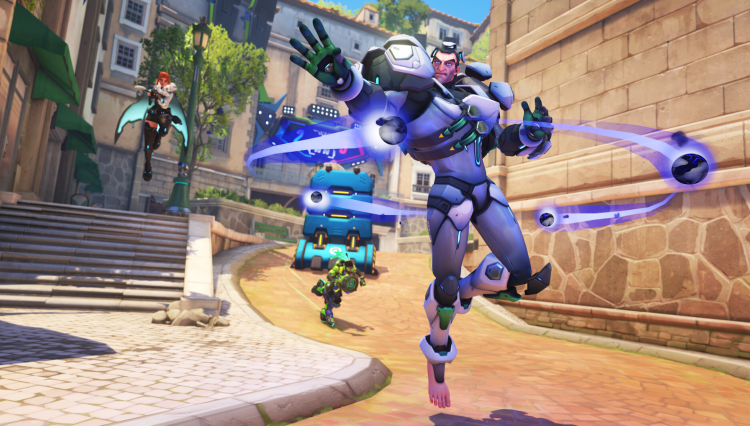
This design philosophy carries into Stadium, a mode that unexpectedly became the game’s most effective learning environment. Stadium forces players to commit to builds and understand how abilities interact. A Moira build focused on Biotic Orbs requires planning around timing, positioning, and intent. A Reaper focused on attack speed reframes how flanks and ambushes work. Stadium teaches fundamentals by demanding intentional play rather than explaining mechanics through tutorials.
The lessons carry over into standard modes. Players who spend time in the Stadium develop a sharper sense of map usage and approach angles. Areas of maps like Esperanza and Hanaoka that were once ignored now see more action. Risk-taking has increased, team combos appear more deliberate, and matches show greater variation. The system does not lower the skill floor, but it broadens understanding across the player base, which is critical for a competitive multiplayer game.
New heroes released in 2025 reinforce this shift. Earlier additions often felt like refinements of existing roles. Dive tanks, flankers, and familiar healing patterns dominated post-launch releases. Comparisons were easy to make, and that familiarity limited how much the game could evolve. This year’s heroes resist easy categorization.
Freja can function as a precision shooter, area suppressor, or mid-range damage dealer depending on player choices and execution. Wuyang introduces a management-heavy playstyle closer to an MMO character, with a flexible skill ceiling. Some players push their damage output beyond traditional damage heroes, while others post high healing numbers or balance both. Vendetta marks another first. As the game’s first melee-focused damage hero, she forces players to engage with mobility as a core skill. Positioning, movement, and timing matter more, and weaknesses in those areas become immediately visible.
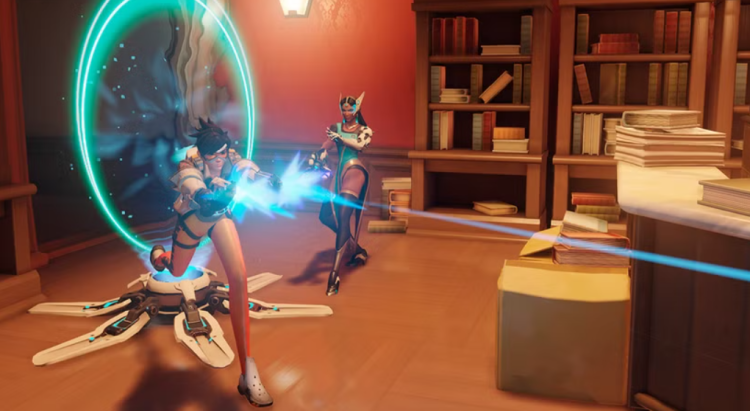
These heroes reflect a broader design intent. Blizzard is no longer content with refining existing patterns. The goal now is to introduce mechanics that demand learning and reward creativity. Mobility, positioning, and situational awareness are no longer optional skills masked by raw numbers. They define success.
Balance patches still exist, but they no longer dominate the experience. Instead of reacting to changes imposed from above, players shape their own solutions. That shift makes Overwatch 2 feel less static and more responsive to those actually playing it. The sequel finally differentiates itself from its predecessor not through replacement, but through expansion of what the game asks from its audience.
Overwatch 2 still faces challenges. It remains difficult for newcomers, and mastery requires time. But 2025 marks the first year where the sequel feels designed around long-term growth rather than maintenance. Player choice sits at the center of the experience, and the systems supporting it appear built to last.
Read also, Overwatch 2 Season 20 arrives on December 9 with a new melee Damage hero, Vendetta, a refreshed Stadium mode, competitive updates, holiday events, and one of the most content-heavy seasons of the year.


 Başarıyla kopyalandı... İçeriğimizi paylaştığınız için teşekkür ederiz!:



100 mücevhere kadar %5 para yatırma bonusu

Para yatırma ve çekme işlemlerinde %0 ücret.





11 Para Yatırma Bonusu + FreeSpin


EKSTRA %10 PARA YATIRMA BONUSU + ÜCRETSIZ 2 ÇARK DÖNDÜRME

Ücretsiz Kasa ve %100 Hoş Geldin Bonusu


5 Ücretsiz Kılıf, Günlük Ücretsiz ve Bonus

3 ücretsiz kasa ve tüm nakit para yatırma işlemlerine %5 bonus eklenir.

Depozitoya +%5




Yorum