




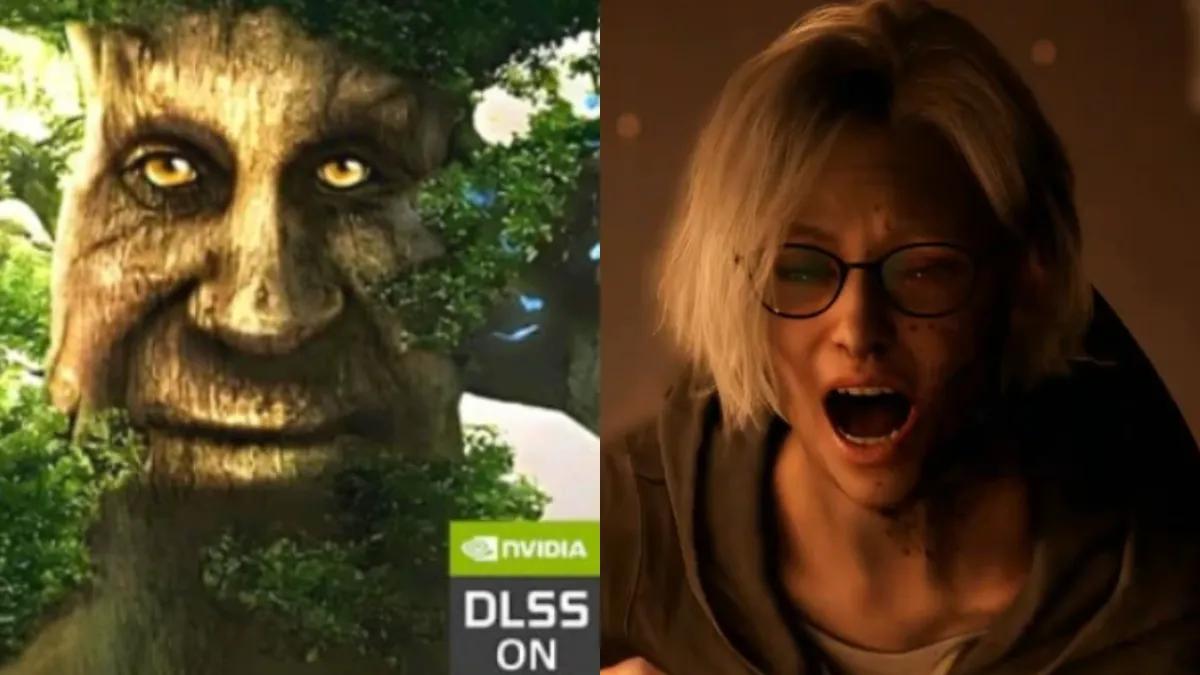
Capcom, Resident Evil Requiem DLSS 5'e gelen tepkiler üzerine yapay zeka tarafından oluşturulan oyun içi öğeleri kullanmayı reddetti.










 CAPCOM
Capcom has stated it will not implement assets generated by AI into its games. The clarification arrived on March 23, roughly a week after the DLSS 5 controversy turned Resident Evil Requiem into the most visible flashpoint in an ongoing debate about AI's role in game visuals.
The studio drew a line between generative AI for in-game assets — ruled out — and AI tools used to improve development efficiency and productivity, which Capcom says it will continue using. The distinction matters in context: in early 2025, Capcom disclosed a collaboration with Google specifically aimed at using generative AI for idea generation, a session summarized for investors at the time. That history makes the current statement less a reversal than a boundary-setting exercise, clarifying which applications remain off the table.
DLSS 5 discussions have been running hot since Nvidia's update applied what players described as a "yassification filter" to Resident Evil Requiem — softening and altering character faces in ways the original art direction had not intended. The backlash was immediate, with players treating the game as an unofficial case study in what AI upscaling can do to a finished artistic product without the developer's visible input. NVIDIA CEO said we're misunderstanding DLSS5 update, framing the technology as a performance and quality tool rather than an artistic override — a position that did little to cool the response.
I think it is genuinely difficult today to add AI anywhere that human artists previously held sole authorship without triggering criticism, and the gaming community is particularly alert to it — not without reason. Players who spent years appreciating the craft behind visual design in games respond to perceived substitution the way audiences respond to dubbing over a performance they already know.
Capcom's statement arrives in a broader context. Square Enix has signaled more aggressive plans for AI integration. Pearl Abyss is managing fallout from AI-generated assets found in Crimson Desert's launch build. Other developers have seen AI assets pass through QA and reach players without disclosure. The industry is not converging on a single position.
I find the timing of Capcom's statement slightly awkward — approving Nvidia's DLSS 5 implementation in Resident Evil Requiem, then clarifying days later that generative AI won't touch in-game assets, sends a message that depends heavily on how strictly the studio defines "assets." Whether that distinction holds under scrutiny from players already sensitized to the issue remains to be seen.


 Başarıyla kopyalandı... İçeriğimizi paylaştığınız için teşekkür ederiz!:

Yorum